Plant-based cooking means preparing meals primarily from foods such as vegetables, fruits, legumes, grains, nuts, and seeds; it does not necessarily mean eating only vegan foods. The most common rookie mistakes are treating plant-based ingredients as direct substitutes for meat, under-seasoning, overlooking texture and cooking time, and assuming every plant-based meal is automatically nutritious. These missteps matter as plant-rich eating becomes more common: the Good Food Institute reported that U.S. retail sales of plant-based foods reached $8.1 billion in 2023, while the Centers for Disease Control and Prevention continues to identify low fruit and vegetable intake as a public-health concern. Understanding flavor, protein, technique, and nutrition makes the switch easier and more satisfying.
Why rookie mistakes happen in plant-based cooking
Plant-based cooking is a way of building meals around plants, rather than simply removing meat from familiar recipes. The Academy of Nutrition and Dietetics describes appropriately planned vegetarian and vegan eating patterns as healthful and nutritionally adequate for many life stages. That qualification—“appropriately planned”—is important: success depends on choosing complementary ingredients, using cooking methods suited to them, and paying attention to nutrients such as vitamin B12.
The category covers several approaches: flexitarian meals that include some animal products, vegetarian meals that exclude meat, and vegan meals that exclude animal-derived foods. Their shared cooking challenge is that plant ingredients differ substantially in water content, starch, fiber, protein, and structure. A lentil does not brown or behave like a steak, and tofu does not take on flavor in the same way as a whole bean. The practical lessons below begin with flavor and texture, then move to protein, nutrition, and meal planning.
Flavor and texture mistakes in plant-based cooking
Flavor and texture are the sensory qualities that make food appealing: flavor includes taste and aroma, while texture includes qualities such as crispness, tenderness, and chew. In plant-based dishes, these qualities often need to be developed through seasoning, browning, moisture control, and contrast rather than relying on meat’s fat and savory compounds.
Mistake: Treating vegetables and legumes as bland by default
Under-seasoning is a common early misstep. Salt, acid, spices, herbs, and savory ingredients such as miso, mushrooms, tomato paste, soy sauce, and nutritional yeast can make plant ingredients taste more complete. Add flavor in stages: season cooking water for grains and beans, build a base with aromatics, and finish with lemon juice or vinegar to brighten the dish. Taste as you go, because canned beans, broths, and sauces may already contain substantial salt.
The U.S. Department of Agriculture’s Dietary Guidelines for Americans recommend limiting sodium to less than 2,300 milligrams per day for most adults. That is a reason to season thoughtfully, not to leave food flavorless: use herbs, citrus, toasted spices, and unsalted ingredients to add complexity without relying entirely on salt.
Mistake: Expecting one-for-one meat substitutes to behave like meat
Plant proteins are not interchangeable in structure or cooking behavior. Tofu is a pressed soy curd; tempeh is a fermented, compact soy food; seitan is made from wheat gluten; and beans and lentils retain their own soft or creamy texture. A better approach is to choose the ingredient for the job: use crumbled tempeh or lentils in a filling, crisped tofu in a bowl, and beans in soups or stews. Pressing tofu, patting ingredients dry, and allowing space in the pan can help them brown instead of steam.
Mistake: Ignoring texture and cooking method
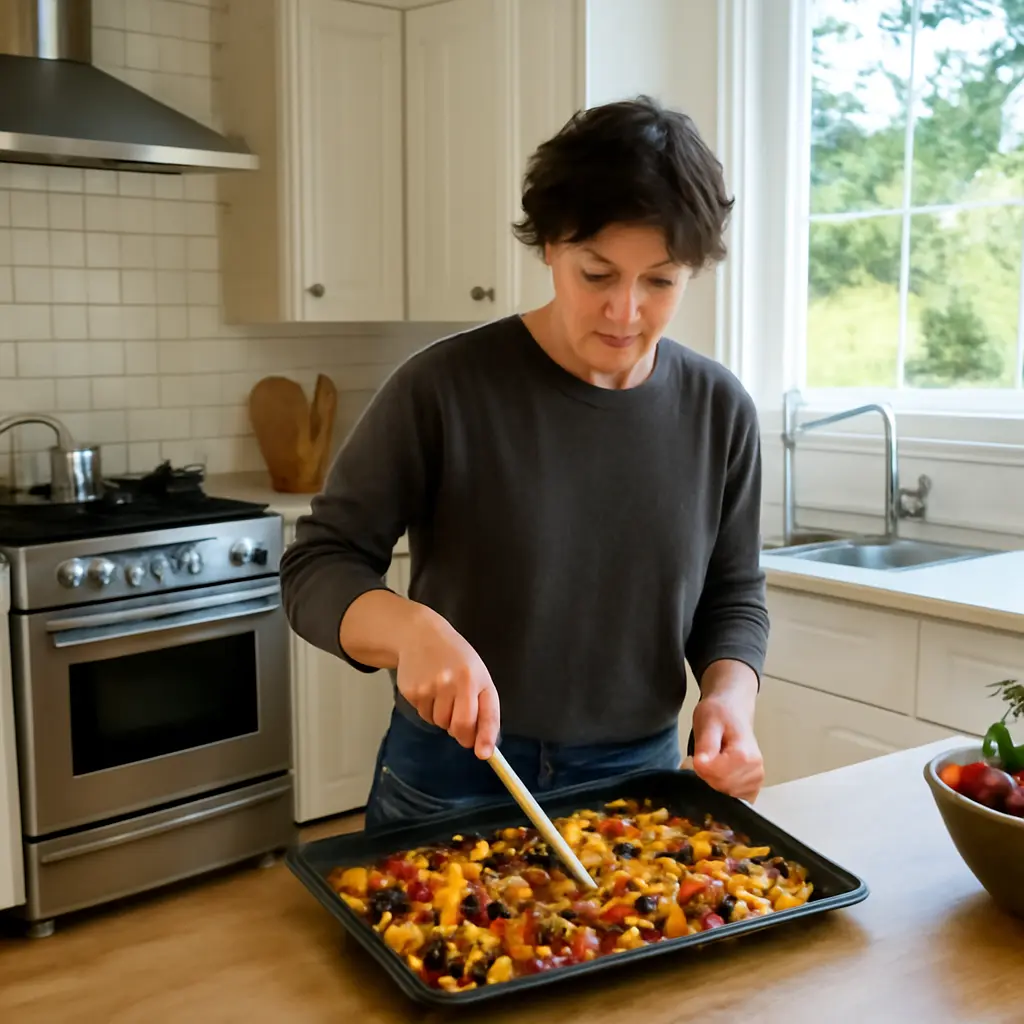
A satisfying dish often combines contrasting textures—crunchy seeds, tender grains, creamy beans, or crisp vegetables. Roasting, grilling, pan-searing, and toasting can add browned, savory notes; steaming and simmering are useful when tenderness matters. Crowding a roasting tray or skillet traps moisture and reduces browning, so cook in batches when needed. For an illustrative comparison, a simple chart could show how roasting, steaming, and sautéing affect browning, moisture, and texture across cauliflower, mushrooms, and tofu.
Protein and nutrition mistakes in plant-based cooking
Protein is a nutrient used to build and repair tissues and support other body functions. Plant-based sources include beans, peas, lentils, soy foods, nuts, seeds, and whole grains. The mistake is not that plants cannot provide protein; it is assuming that any plant-centered plate automatically supplies enough protein or all nutrients in appropriate amounts.
Mistake: Relying on a single protein source—or worrying unnecessarily about “combining” foods
Legumes, grains, nuts, and seeds contribute different nutrients and amino-acid profiles. Eating a varied diet across the day generally matters more than pairing specific foods in every meal. The Academy of Nutrition and Dietetics notes that a well-planned vegetarian eating pattern can meet protein needs. For practical meals, include a clear protein-rich ingredient—such as lentils, chickpeas, tofu, tempeh, edamame, or seitan—alongside vegetables and a grain or other starch.
For a quick comparison, cooked lentils provide about 18 grams of protein per cup, while firm tofu commonly provides around 20 grams per half-cup, though values vary by product and preparation. Check package labels and serving sizes rather than assuming all meat alternatives are equally protein-rich.
Mistake: Overlooking nutrients that need deliberate attention
A varied plant-based diet can provide fiber, folate, potassium, and many other nutrients, but fully vegan diets require a reliable source of vitamin B12 from fortified foods or supplements. The National Institutes of Health’s Office of Dietary Supplements explains that B12 occurs naturally in animal foods, while plant foods contain it only when fortified. People may also need to consider iron, calcium, iodine, vitamin D, and omega-3 fats depending on their diet and circumstances. Anyone with a medical condition, pregnancy, or specific nutrition concerns should seek individualized guidance from a registered dietitian or clinician.
Mistake: Assuming “plant-based” automatically means nutritious
Plant-based packaged foods can be convenient, but the label alone does not reveal how much protein, fiber, sodium, saturated fat, or added sugar a product contains. The Good Food Institute’s 2023 market report documents the scale of U.S. retail sales in the category, but sales growth is not a measure of nutritional quality. Compare the Nutrition Facts label, and build everyday meals mainly from minimally processed ingredients while using convenient products when they suit the meal and budget.
Planning and technique mistakes in plant-based cooking
Meal planning means deciding how ingredients, preparation time, and leftovers will work together across meals. It can prevent the common cycle of buying unfamiliar produce, using only a small portion, and letting the rest spoil. Good planning also makes it easier to include protein, flavor, and variety without making every meal complicated.
Mistake: Switching everything at once
A sudden overhaul can leave a new cook with unfamiliar ingredients and no dependable recipes. Start with meals already enjoyed—such as chili, curry, pasta sauce, tacos, or grain bowls—and adapt one component at a time. For example, replace some or all of the meat in chili with beans and lentils, then adjust seasoning and cooking time. This gradual method makes it easier to learn how individual ingredients behave.
Mistake: Skipping preparation and cooking-time adjustments
Dried beans generally need soaking or extended cooking, while canned beans are already cooked and need only rinsing and heating. Brown rice, split peas, tofu, and vegetables each have different preparation needs. Read package instructions, drain ingredients well when browning is desired, and prepare components ahead when possible. A batch of cooked grains or beans can become several different meals when paired with fresh vegetables and contrasting sauces.
Mistake: Forgetting convenience, budget, and food safety
Plant-based cooking need not depend on specialty products. Canned beans, frozen vegetables, oats, rice, peanut butter, and seasonal produce can form practical, low-cost meals. Store leftovers promptly in the refrigerator and reheat them thoroughly; follow food-safety guidance for storage times, especially for cooked grains and beans. Planning around a few versatile staples can reduce waste and make the transition sustainable.
A practical framework for avoiding beginner mistakes
Use this simple sequence when building a plant-based meal:
- Choose a protein-rich centerpiece, such as beans, lentils, tofu, tempeh, edamame, or seitan.
- Add vegetables and a satisfying grain or starch, such as brown rice, potatoes, pasta, or whole-grain bread.
- Develop flavor with aromatics, spices, herbs, and a savory ingredient; finish with acid if the dish tastes flat.
- Choose a cooking method that suits the ingredient, and avoid overcrowding pans when browning matters.
- Check labels for protein, sodium, and fortification when using packaged foods, and plan a reliable B12 source for a vegan diet.
As a real-world example, a beginner could make a bowl with roasted vegetables, brown rice, crisped tofu, and a lemon-tahini sauce. The components can be prepared separately, which makes it easy to adjust texture and seasoning. A lentil version can use the same vegetables and sauce, illustrating how one cooking framework accommodates different plant proteins.
Conclusion: Make plant-based cooking a skill, not a restriction
The main rookie mistakes when switching to plant-based cooking are under-seasoning, expecting substitutes to behave exactly like meat, neglecting texture, relying on an unbalanced protein choice, and overlooking nutrients such as B12. The remedy is to learn ingredient-specific techniques, build meals from varied plant foods, and plan around flavors and textures you enjoy. With a few reliable recipes and thoughtful label-reading, plant-based cooking can be practical, satisfying, and nutritionally considered. Start by adapting one familiar meal this week, and consult a registered dietitian for personalized advice when needed.
Sources: Academy of Nutrition and Dietetics, Position of the Academy of Nutrition and Dietetics: Vegetarian Diets, https://pubmed.ncbi.nlm.nih.gov/27886704/; U.S. Department of Agriculture and U.S. Department of Health and Human Services, Dietary Guidelines for Americans, 2020–2025, https://www.dietaryguidelines.gov/; National Institutes of Health, Office of Dietary Supplements, Vitamin B12 Fact Sheet for Consumers, https://ods.od.nih.gov/factsheets/VitaminB12-Consumer/; Good Food Institute, 2023 U.S. Retail Sales Data for the Plant-Based Industry, https://gfi.org/marketresearch/; U.S. Department of Agriculture, FoodData Central, https://fdc.nal.usda.gov/; Centers for Disease Control and Prevention, State Indicator Report on Fruits and Vegetables, https://www.cdc.gov/nutrition/data-statistics/.
Related Posts
Meatless Meals That Nobody Will Mistake for Boring
Meatless meals are dishes made without meat, including satisfying meals…

Stop Boiling Bland Noodles and Learn These Simple Moves Now
Noodles taste bland when they’re treated as a finished dish…

Environmental impact matters more than you realized here
Environmental impact—the effects an activity, product, or system has on…