Wine and drink pairing is the practice of choosing beverages that complement or contrast with a dish’s flavors, texture, and weight. The best matches are not always the expected ones: crisp sparkling wine can refresh a salty meal, a modestly sweet Riesling can tame chile heat, and a dry cider can bring new balance to rich pork. A useful starting point is to compare acidity, sweetness, tannin, bubbles, and body—not simply match red wine with meat and white wine with fish. These principles are especially relevant as people explore more cuisines and non-wine options; the World Health Organization emphasizes that alcohol consumption carries health risks, so this guide also considers appealing alcohol-free pairings.
Pairing principles explain why surprising matches work
A pairing is a relationship between a food’s sensory features and a drink’s sensory features. Wine educator Karen MacNeil describes food-and-wine matching as a way to make both elements taste better together, rather than as a rigid set of rules. In practice, a drink may complement a dish by sharing a flavor or weight, or contrast with it by cutting richness, softening heat, or refreshing the palate.
The main characteristics to assess are acidity, sweetness, tannin, carbonation, alcohol, aroma, and body. “Body” refers broadly to how heavy or full a drink feels in the mouth; tannin is the drying, sometimes grippy sensation associated with grape skins and seeds. The Wine & Spirit Education Trust (WSET) teaches structured tasting through sensory elements such as sweetness, acidity, tannin, alcohol, and flavor intensity. Those features offer a more flexible guide than color alone.
Contrast can reset the palate
Contrast pairing uses one element to balance another. High-acid drinks can cut through fatty or creamy food, while bubbles help clear the mouth between rich bites. This is why sparkling wine can work with fried chicken or potato chips: acidity and carbonation provide lift against salt and oil. The same principle applies to a tart, unsweetened lemonade or sparkling water with a rich meal.
Complement can deepen shared flavors
Complementary pairing connects similar qualities, such as earthy flavors in mushrooms and an earthy Pinot Noir, or herbal notes in a dish and a wine with herbal aromas. Matching intensity matters: a delicate dish can be overwhelmed by a powerful drink, while a bold stew may make a light wine seem faint. Similarity is useful, but it should not become a requirement; a contrasting pairing can be more refreshing.
Sweetness, salt, and heat change the equation
Sweetness in a drink can soften the sensation of chile heat, while a very dry or high-alcohol drink may make spicy food seem hotter. Salt can make some wines taste less harsh and can create an appealing contrast with acidity or fruit. For spicy dishes, try an off-dry Riesling, Gewürztraminer, or lightly sweet sparkling drink. For salty snacks, test a crisp sparkling wine, dry cider, or bright nonalcoholic spritz.
Unexpected wine pairings reward flexible choices
Wine pairing is most successful when it responds to the preparation, sauce, and seasoning—not merely the main ingredient. A grilled fish with smoky sauce may suit a light red better than a crisp white, while a hearty vegetable dish can call for a structured wine. The following examples use established sensory principles to challenge familiar food-and-wine rules.
Sparkling wine with fried or salty food
Sparkling wine is wine containing dissolved carbon dioxide, which produces bubbles. Its acidity and effervescence make it a natural counterpoint to oil and salt. Try Brut Champagne, Cava, or a dry domestic sparkling wine with fried chicken, tempura, salty popcorn, or potato chips. A sweeter sparkling style can work with spicy or strongly salted foods, but very sweet wine may feel heavy alongside lightly seasoned fried dishes.
Chilled red wine with seafood and roasted vegetables
Light-bodied reds with modest tannin can be served slightly chilled, making them useful beyond the usual meat pairing. Gamay, Pinot Noir, and some Frappato wines can accompany salmon, tuna, grilled mushrooms, or roasted vegetables. Chill the bottle briefly rather than serving it ice-cold; excessive cold can mute aromas and make tannin seem more prominent. The wine’s weight and the dish’s sauce still matter: a delicate white fish with lemon may remain better with a crisp white.
Riesling with chile heat and aromatic dishes
Riesling ranges from bone-dry to sweet and often has pronounced acidity and fruit aromas. A slightly off-dry version can balance the heat of Thai curries, Sichuan dishes, or spicy tacos, while its acidity keeps the pairing lively. For a dry version, choose one with enough fruit and body to stand up to the dish. Avoid assuming that every Riesling is sweet: sweetness varies by bottle and region, so check the label or ask a retailer.
Rosé with barbecue, herbs, and vegetable dishes
Rosé is wine made with limited skin contact or by other permitted production methods, giving it a range of colors and styles. Dry rosé can bridge white-wine freshness and red-wine fruit, making it adaptable with grilled vegetables, barbecue chicken, herbed salads, and tomato-based dishes. A fuller rosé can stand up to smoky flavors; a lighter, crisp style suits delicate vegetables and seafood.
Dessert wine with savory cheese
Sweet wine can pair surprisingly well with salty, pungent, or blue cheese because sweetness contrasts with salt and intense savory flavor. Try Sauternes with blue cheese, or a late-harvest wine with aged cheese and toasted nuts. The key is that the wine should generally taste at least as sweet as the food; otherwise, the wine may seem thin or sour. For a less sweet alternative, compare a nutty fortified wine with hard, aged cheese.
Cider, beer, tea, and alcohol-free drinks expand pairing options
Wine is only one route to a satisfying match. Cider, beer, tea, coffee, and nonalcoholic drinks offer their own combinations of acidity, bitterness, sweetness, aroma, and carbonation. Considering these options makes pairings more inclusive and gives hosts practical choices for guests who do not drink alcohol.
Dry cider with pork, cheese, and rich dishes
Cider is a fermented apple drink whose sweetness and acidity depend on its style. Dry cider can refresh the palate alongside roast pork, sausages, sharp cheddar, or creamy dishes; a fruitier cider may suit spicy food or a lightly sweet glaze. Like wine, cider should be chosen by its balance rather than its label alone. Serve it chilled, and check whether the bottle is sweet, dry, sparkling, or still.
Beer with chocolate, spicy food, and grilled flavors
Beer offers bitterness from hops, carbonation, malt sweetness, and a wide range of roasted or fruity aromas. A stout can echo the roasted notes of dark chocolate, while a crisp lager can cool the palate after spicy food. Hoppy bitterness can clash with chile heat for some drinkers, so a malt-forward beer or lower-bitterness style may be more comfortable with very spicy dishes. With grilled food, match the beer’s intensity to the smoke and seasoning.
Tea with seafood, cheese, and savory meals
Tea is a versatile food drink whose astringency, fragrance, and temperature influence a meal. Green tea can pair with delicate seafood or vegetables, while black tea’s stronger body can suit roasted foods and aged cheese. Unsweetened tea is especially useful when a meal already contains sugar or intense seasoning. Brew strength matters: an over-steeped tea may become bitter and overpower a subtle dish.
Alcohol-free spritzes and sparkling water
An alcohol-free pairing can still use the same sensory logic as wine. A spritz made with citrus, herbs, and sparkling water can balance rich food; tart cherry or cranberry with soda can complement savory dishes; and ginger-based drinks can bring aromatic warmth to grilled food. Check labels for added sugar, since sweetness can dominate a meal. The World Health Organization states that no form of alcohol consumption is risk-free, making appealing alcohol-free options a useful part of any drinks menu.
A practical method makes experimentation easier
A reliable pairing does not require expensive bottles or specialist equipment. Start with the dish’s strongest feature, then choose a drink that either balances it or echoes it. A small tasting alongside the meal can reveal more than a strict rule, because individual preferences and recipes vary.
- Identify the dish’s dominant feature: richness, acidity, sweetness, salt, chile heat, smoke, or delicate flavor.
- Choose a pairing direction: contrast richness with acidity or bubbles, soften heat with some sweetness, or complement earthy and roasted notes.
- Match intensity. Keep a light drink with delicate food and use fuller-bodied drinks with robust sauces or seasoning.
- Consider the preparation and sauce. Grilling, frying, citrus, herbs, and sweetness can matter more than whether the main ingredient is meat or fish.
- Try a small pour, taste the food and drink together, and adjust. If one overwhelms the other, change the temperature, serving size, or beverage style.
For a real-world example, consider spicy fried chicken. A crisp sparkling wine contrasts with the oil and salt, while an off-dry Riesling may soften chile heat. A dry cider offers another refreshing option, and sparkling water with lime provides an alcohol-free alternative. The best choice depends on the chicken’s heat level, coating, sauce, and the drinker’s preferences.
Conclusion: Pair by flavor, not by outdated rules
Unexpected pairings work because drinks and food interact through acidity, sweetness, tannin, bubbles, bitterness, aroma, and body. Contrast can refresh the palate; complementary flavors can deepen a dish; and the intensity of the drink should suit the food. Sparkling wine with fried food, chilled light red with some seafood, off-dry Riesling with chile heat, dry cider with pork, and alcohol-free spritzes with rich meals all show why flexible principles outperform rigid rules.
Use the method at your next meal: identify the dominant flavor, choose a contrast or complement, and taste the result. Keep serving sizes moderate and offer appealing alcohol-free choices. For further exploration, compare the tasting guidance from WSET with wine and food pairing resources from Karen MacNeil, then test one surprising combination at home.
Sources: Wine & Spirit Education Trust, Tasting and wine education resources, https://www.wsetglobal.com/; Karen MacNeil, The Wine Bible, https://www.karenmacneil.com/the-wine-bible; World Health Organization, Alcohol, https://www.who.int/news-room/fact-sheets/detail/alcohol.
Related Posts
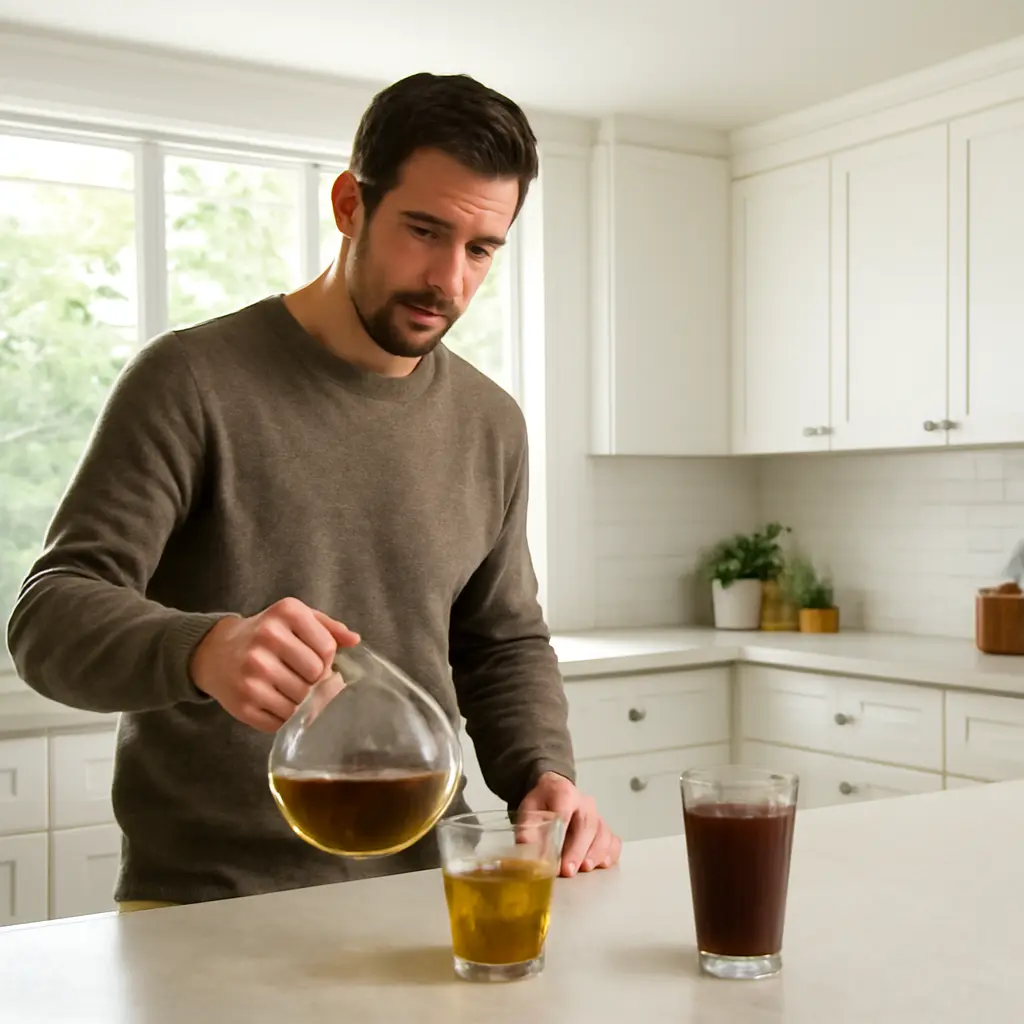
From Herbal Tea to Cold Brew, Finding Your Drink Soulmate
Herbal tea and cold brew may seem like opposite ends…